
The Importance of Early Childhood Education
Early childhood education (ECE) is a foundational phase in a child’s development, encompassing the period from birth to around eight years old. This stage is critical because it shapes the way children think, learn, and interact with the world around them. The benefits of quality Early Childhood Education are well-documented, impacting not only cognitive and social development but also long-term academic and life success.
Understanding Early Childhood Education
Early childhood education refers to the formal and informal teaching and care of young children. It goes beyond basic childcare, integrating structured learning activities that promote emotional, social, and intellectual growth. Programs often include activities that encourage language development, problem-solving, creativity, and motor skills. By engaging children in age-appropriate learning experiences, early childhood education helps set the foundation for lifelong learning.
Cognitive Benefits
One of the most significant advantages of early childhood education is its impact on cognitive development. During the early years, children’s brains are highly malleable, making it an ideal time to introduce new concepts and ideas. Through interactive activities such as storytelling, puzzles, and hands-on experiments, children develop critical thinking skills and the ability to process information. Studies have shown that children who attend quality early childhood education programs tend to perform better academically in later years, particularly in reading and mathematics.
Social and Emotional Development
Early childhood education also plays a crucial role in social and emotional development. Children learn to interact with peers, develop empathy, and build relationships in structured educational environments. Activities such as group play, cooperative learning, and guided discussions help children develop essential social skills, including communication, sharing, and conflict resolution. Emotional development is equally important, as children learn to recognize and manage their emotions, contributing to better mental health and well-being in the long term.
Preparing for Academic Success
Early childhood education programs provide children with a solid foundation for formal schooling. Exposure to structured learning routines helps children develop essential skills such as listening, following instructions, and focusing on tasks. These programs also introduce basic literacy and numeracy concepts in a fun and engaging way, making the transition to elementary school smoother. Children who participate in early childhood education are often better prepared to meet academic challenges, reducing the likelihood of future learning difficulties.
The Role of Play in Early Learning
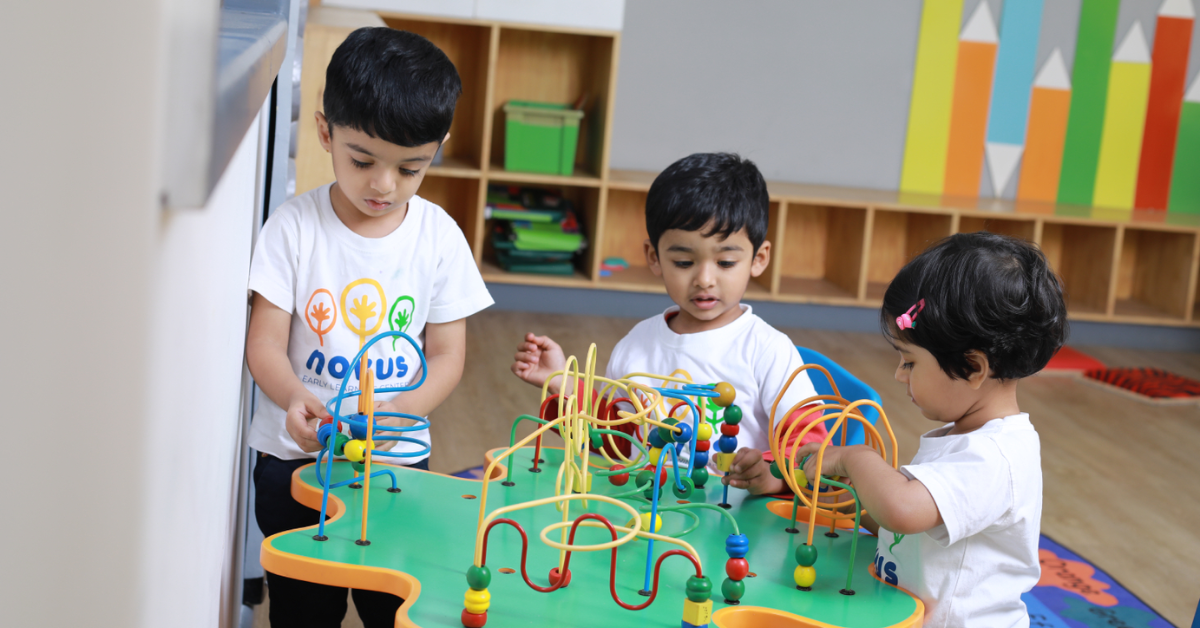
Play is an integral part of early childhood education. Through play, children explore their environment, experiment with new ideas, and develop creativity. Play-based learning encourages curiosity and fosters problem-solving abilities, allowing children to learn in a natural and enjoyable manner. Whether it’s building blocks, imaginative games, or outdoor exploration, play supports both cognitive and social development while keeping children engaged and motivated.
Supporting Families and Communities
Early childhood education benefits not only children but also families and communities. For parents, quality ECE programs provide peace of mind, knowing their children are in safe and stimulating environments. Additionally, these programs often offer guidance and support to parents, helping them understand child development and effective parenting strategies. On a community level, access to early childhood education contributes to social equity by providing all children with the opportunity to develop essential skills regardless of their socio-economic background.
Economic and Long-Term Advantages
Investing in early childhood education has significant long-term economic benefits. Research indicates that children who receive quality early education are more likely to graduate from high school, attend college, and secure stable employment. Furthermore, they are less likely to engage in criminal activity or rely on social services. From a societal perspective, early childhood education contributes to a more educated, skilled, and productive workforce, ultimately benefiting the economy as a whole.
Choosing the Right Program
Selecting the right early childhood education program is crucial for maximizing its benefits. Parents should consider factors such as curriculum quality, teacher qualifications, child-to-teacher ratios, and the program’s approach to learning and play. Accreditation and positive reviews can also provide assurance of quality. Visiting potential programs, observing classrooms, and asking questions about daily routines and learning activities can help parents make informed decisions for their children.
Challenges and Considerations
Despite its proven benefits, access to early childhood education can be limited due to factors like cost, availability, and socio-economic disparities. Ensuring equitable access to quality programs is a challenge that policymakers, educators, and communities must address. Additionally, maintaining high standards for educators, providing ongoing professional development, and integrating evidence-based practices are essential for the effectiveness of early childhood education programs.
Conclusion
Early childhood education is a cornerstone of child development, laying the groundwork for cognitive, social, and emotional growth. By fostering curiosity, creativity, and essential life skills, quality ECE programs prepare children for academic success and lifelong learning. Beyond the individual benefits, investing in early childhood education yields positive outcomes for families, communities, and society at large. Recognizing the value of this formative stage and ensuring access to quality programs is essential for nurturing the potential of the next generation.