Safety Fence: A Complete Guide to Secure and Reliable Protection
A Safety Fence plays a crucial role in protecting people, property, and work environments. Whether used in construction zones, residential areas, industrial sites, or events, it provides a clear boundary that helps prevent accidents and unauthorized access. With increasing awareness of safety standards, the demand for durable and effective fencing solutions continues to grow.
What is a Safety Fence?
A safety fence is a physical barrier designed to restrict access to hazardous or restricted areas. It is commonly made from materials like plastic mesh, metal, or wire, depending on the level of protection required. These fences are widely used to ensure safety in places where there is a risk of injury, damage, or intrusion.
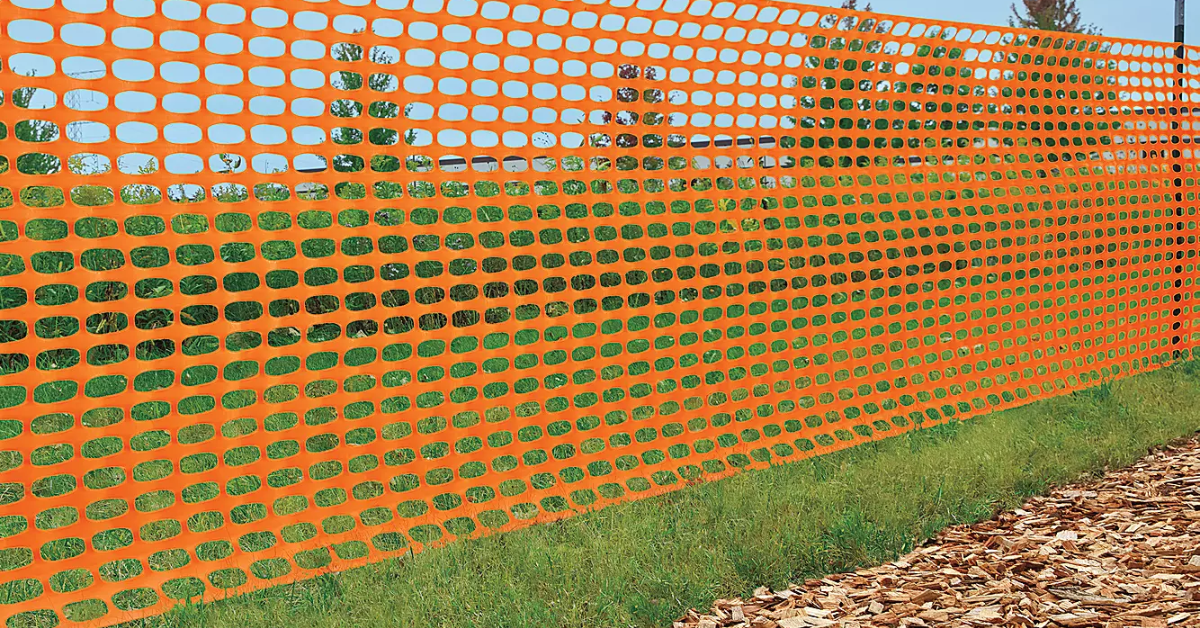
Unlike regular fencing, a safety fence is specifically designed to enhance visibility and provide temporary or permanent protection. Bright colors like orange or yellow are often used to make the fence easily noticeable, especially in construction or roadwork zones.
Importance of Using a Safety Fence
The main purpose of a safety fence is to prevent accidents and maintain order in potentially dangerous environments. It acts as a warning signal and a protective barrier at the same time. In construction sites, it keeps workers and pedestrians safe from hazards such as falling debris, machinery, or open pits.
In residential settings, a safety fence is often used around swimming pools, gardens, or restricted areas to protect children and pets. It ensures peace of mind by reducing the risk of accidents. Similarly, in industrial environments, it helps control access to machinery and sensitive zones, minimizing workplace injuries.
Types of Safety Fence
There are several types of safety fence available, each designed for specific applications:
1. Temporary Safety Fence
This type is lightweight and easy to install or remove. It is commonly used in construction sites, events, and roadworks. Temporary fencing is cost-effective and highly flexible.
2. Plastic Mesh Safety Fence
Made from high-density polyethylene, this safety fence is durable, weather-resistant, and highly visible. It is widely used for crowd control and hazard marking.
3. Metal Safety Fence
Stronger and more permanent, metal fencing is used in industrial and high-security areas. It provides maximum protection and durability.
4. Pool Safety Fence
Designed specifically for swimming pools, this safety fence helps prevent accidental drowning by restricting access, especially for children.
5. Garden Safety Fence
Used in homes and parks, this fencing protects plants and defines boundaries while ensuring safety.
Key Features of a Safety Fence
A high-quality safety fence offers several important features:
- High Visibility: Bright colors ensure that the fence is easily seen even from a distance.
- Durability: Resistant to weather conditions like rain, heat, and UV rays.
- Lightweight Design: Easy to transport and install, especially for temporary use.
- Flexibility: Can be adjusted or repositioned as needed.
- Strong Structure: Provides reliable protection against entry and impact.
These features make a safety fence an essential tool in maintaining safety standards across various industries.
Applications of Safety Fence
A safety fence is used in multiple settings due to its versatility:
Construction Sites
One of the most common uses of a safety fence is in construction areas. It helps keep unauthorized individuals away from dangerous zones and protects workers from external interference.
Road Safety
During road repairs or maintenance, a safety fence is used to guide traffic and protect pedestrians. It reduces the chances of accidents and ensures smooth traffic management.
Industrial Areas
Factories and warehouses use safety fencing to separate hazardous areas and restrict access to machinery. This helps maintain a safe working environment.
Events and Crowd Control
Large events such as concerts or festivals use a safety fence to manage crowds and create designated zones.
Residential Use
In homes, a safety fence is used around pools, balconies, or gardens to ensure the safety of children and pets.
Benefits of Installing a Safety Fence
Installing a safety fence offers numerous advantages:
- Enhanced Safety: Reduces the risk of accidents and injuries.
- Clear Boundaries: Defines restricted areas effectively.
- Cost-Effective: Affordable solution compared to permanent structures.
- Easy Installation: Requires minimal tools and effort.
- Versatile Use: Suitable for various environments and purposes.
These benefits make a safety fence a practical investment for both temporary and long-term safety needs.
How to Choose the Right Safety Fence
Selecting the right safety fence depends on your specific requirements. Here are some factors to consider:
Purpose
Determine whether you need the fence for construction, residential, or industrial use.
Material
Choose between plastic, metal, or mesh based on durability and strength requirements.
Height and Length
Ensure the fence is tall and long enough to cover the intended area.
Visibility
Opt for bright-colored fencing if visibility is a priority.
Installation Type
Decide whether you need a temporary or permanent solution.
By considering these factors, you can choose a safety fence that best meets your needs.
Maintenance Tips for Safety Fence
Proper maintenance ensures the longevity and effectiveness of your safety fence. Regularly inspect the fence for damage such as tears or bends. Clean it to remove dirt and debris, especially in outdoor environments. If using a temporary fence, store it properly when not in use to prevent wear and tear.
Replacing damaged sections promptly is essential to maintain safety standards. A well-maintained safety fence continues to provide reliable protection over time.
Future Trends in Safety Fence
With advancements in technology, the design and functionality of safety fencing are evolving. Modern safety fence options now include UV-resistant materials, eco-friendly components, and enhanced durability. Some advanced fences even incorporate smart features like sensors for added security.
As safety regulations become stricter, the importance of using a high-quality safety fence will continue to increase across industries.
Conclusion
A safety fence is an essential tool for ensuring protection in various environments. From construction sites to residential areas, it provides a reliable barrier that helps prevent accidents and control access. With different types, materials, and applications available, choosing the right safety fence can significantly improve safety and efficiency.
Investing in a durable and well-designed safety fence not only enhances security but also promotes a safer and more organized environment for everyone.